


You didn’t know this about Sports Medicine
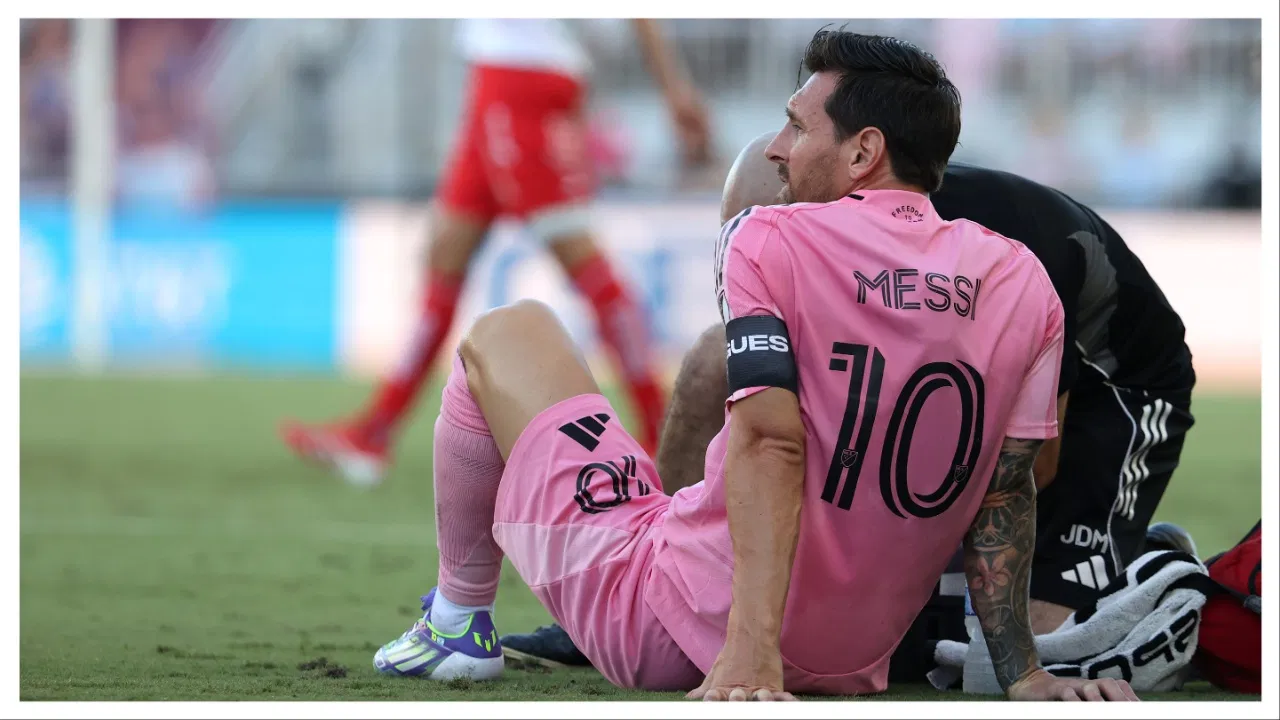
Photo: Messi receiving medical attention during a football match
Have you ever wondered what sports medicine is, and not just something football team doctors on TV seem to do? This article breaks down what sports medicine entails and whether it is a career path worth considering.
Definition and Scope
Sports medicine is a branch of healthcare that deals with physical fitness, injury prevention, and the treatment of injuries caused by sports or exercise. It is not limited to professional athletes; it also serves recreational athletes, weekend warriors, and individuals with physically demanding jobs . The field encompasses both non-surgical and surgical approaches, depending on the practitioner’s training, and often involves a multidisciplinary team including physicians, physiotherapists, athletic trainers, and exercise physiologists.
Key Roles and Responsibilities
Sports medicine specialists focus on:
- Injury Management: Treating acute injuries like sprains, strains, fractures, and chronic conditions such as tendonitis or overuse injuries .
- Rehabilitation and Return-to-Play: Designing recovery plans to safely restore function and performance after injury.
- Performance Enhancement: Advising on strength, endurance, and conditioning to optimize athletic performance.
- Preventive Care: Educating patients on proper training techniques, nutrition, and exercise to reduce the risk of injury.
- Chronic Condition Management: Supporting individuals with conditions like asthma, diabetes, or cardiovascular issues to maintain active lifestyles.
Team-Based Approach
Sports medicine often involves collaboration among orthopedic surgeons, primary care sports medicine physicians, physical therapists, athletic trainers, and other allied health professionals. This team approach ensures comprehensive care, from diagnosis to rehabilitation and performance optimization.
Research and Education
The field is highly multidisciplinary, integrating medical research, exercise science, and rehabilitation techniques. Sports medicine specialists stay updated on the latest evidence to improve injury prevention strategies and treatment outcomes.
Who Can Benefit
Sports medicine is beneficial for:
- Professional and amateur athletes
- Recreational sports participants
- Individuals with physically demanding occupations
- Children and seniors aiming to maintain mobility and fitness
- People managing chronic health conditions who use exercise as therapy.
Is It Actually a Specialty?
Sports medicine is recognized as a specialty in over 50 countries, with similar training and standards to other medical specialties. In many countries, it is a physician specialty, but in the USA, it can also be a surgical or non-surgical medical specialty, and a specialty field within primary care. Sports medicine encompasses a range of professions, including medical specialists and allied health practitioners, and aims to heal and rehabilitate injuries, prevent future injuries, and support overall health and performance.
To become a sports medicine physician, one must complete a bachelor’s degree, medical school, a residency in a primary care specialty, and a one-year sports medicine fellowship. This path typically takes 12 to 13 years of post-secondary education. Sports medicine physicians can come from various primary care backgrounds, including family medicine, internal medicine, pediatrics, and emergency medicine, before completing their fellowship in sports medicine.
Sports medicine is a dynamic and rewarding specialty that offers a unique mix of medicine, athletics, and hands-on patient care. It is one of the fastest-growing specialties in healthcare today, and it is essential for those interested in a career in sports medicine to understand the educational and training requirements to pursue this rewarding field.