

UoN Medical Students Publish A High Impact Research Paper
A team of medical students from the University of Nairobi, has published a narrative review on the use of esophageal stents in palliative cancer care. The paper is published in ecancermedicalscience, a peer reviewed, open access journal. Undergraduates producing a peer reviewed review in a high impact journal is a rare feat, and a strong sign of the calibre of research emerging from Kenyan medical schools.
The paper is authored by Roy Olunga, Reinhard Kipkoech, Josphat Kimani, Emmanuel Wandera, and Ruth Jepkporir Tai all 4th year medical students at UoN who undertook the BSc intercalated degree programme, along with Nduta Gicheru and Faith Mwangi, both 5th year medical students at the university.
Why It Matters
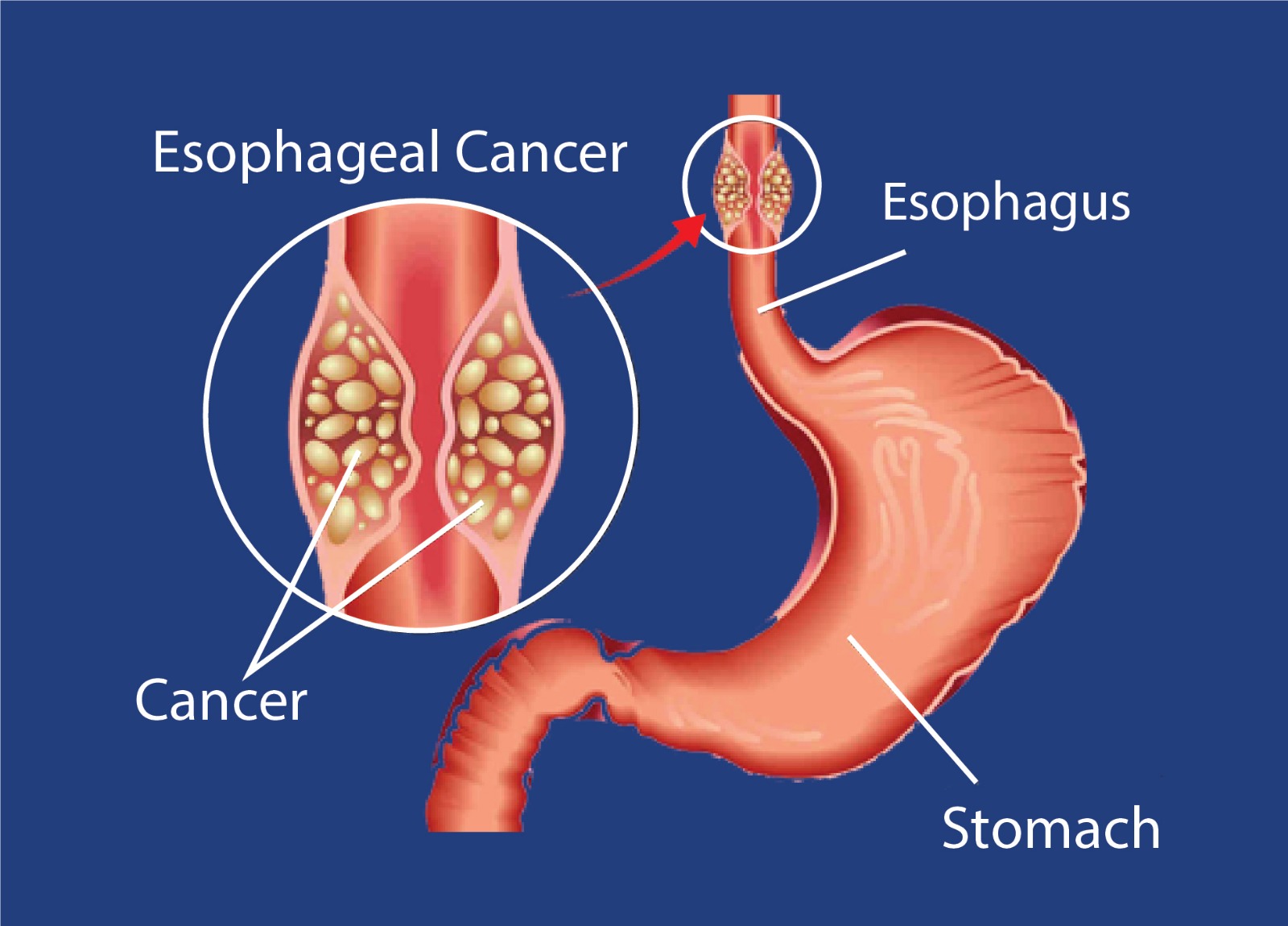
Esophageal cancer is the sixth leading cause of cancer death worldwide and has a five year survival rate of just 25%. Because it is often diagnosed late, treatment frequently focuses on relieving symptoms rather than curing the disease. Esophageal stenting, which uses an expandable tube to keep the esophagus open, is one of the most common tools for this purpose.
Key Findings
- Fast relief, real risks. Stents relieve swallowing difficulty in over 90% of patients within days, but long term success drops to about 60%, with migration and blockage as common complications.
- Blood markers predict survival. The Glasgow Prognostic Score, based on inflammation and nutrition markers, strongly predicts outcomes. Patients with poor scores faced 30 day mortality as high as 23 to 33%, compared to about 5% in healthier patients.
- Timing matters. Placing a stent before surgery or chemoradiotherapy was linked to worse survival and higher complication rates.
- Emotional impact is real. Many patients describe relief at being able to eat with family again, though some report anxiety and reduced quality of life if complications occur.
- Alternatives compared. Brachytherapy often gives better long term symptom control, while gastrostomy better preserves nutrition. Stenting remains useful for fast relief or limited life expectancy.
- What’s next. Biodegradable, drug releasing and 3D printed stents are emerging as ways to reduce complications.
What It Means for Practice
The review carries several practical takeaways for clinicians managing esophageal cancer:
- Screen before stenting. The Glasgow Prognostic Score, calculated from simple blood tests for CRP and albumin, can help identify high risk patients before a stent is placed, since 30 day mortality ranged from about 5% in low risk patients to over 30% in high risk ones.
- Caution before surgery. Using stents as a bridge to esophagectomy was linked to lower resection success and worse long term survival, suggesting the practice needs tighter limits.
- Caution before chemoradiotherapy. Stenting ahead of CRT was tied to higher toxicity and shorter survival, pointing clinicians toward tube feeding or gastrostomy as safer bridging options in these patients.
- Match the modality to the patient. Brachytherapy may suit patients with longer expected survival, while stenting remains better suited to those with poor prognosis, fistulas or recurrent disease.
- Support the whole patient. Given the anxiety and quality of life concerns some patients report, counseling and psychosocial support should accompany the procedure, not just the technical placement.
- Watch emerging technology. Biodegradable, drug eluting and 3D printed stents may reduce migration and reintervention rates in the coming years.
The Bigger Picture
The authors conclude that stenting remains valuable but requires careful patient selection and honest counseling about its limits. Beyond the science, the review stands as proof that Kenyan medical students, still years from graduation, can produce work that holds its own in the global research community.