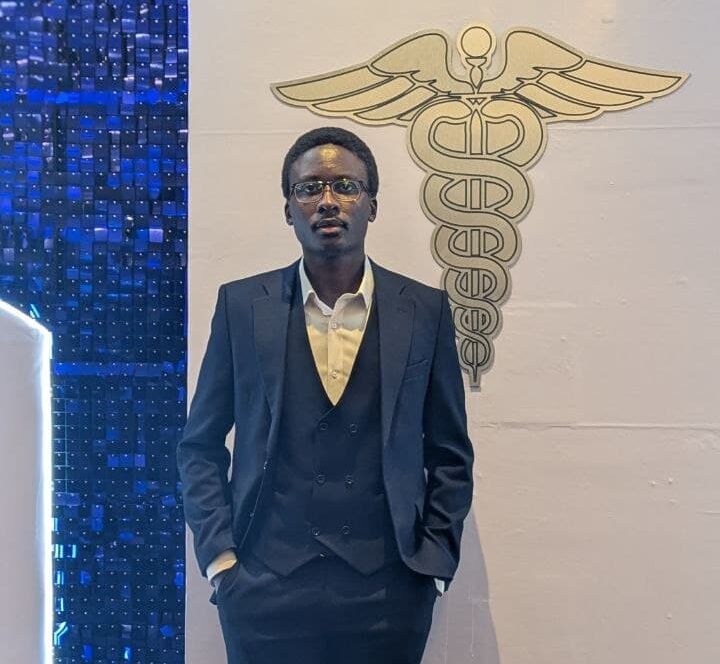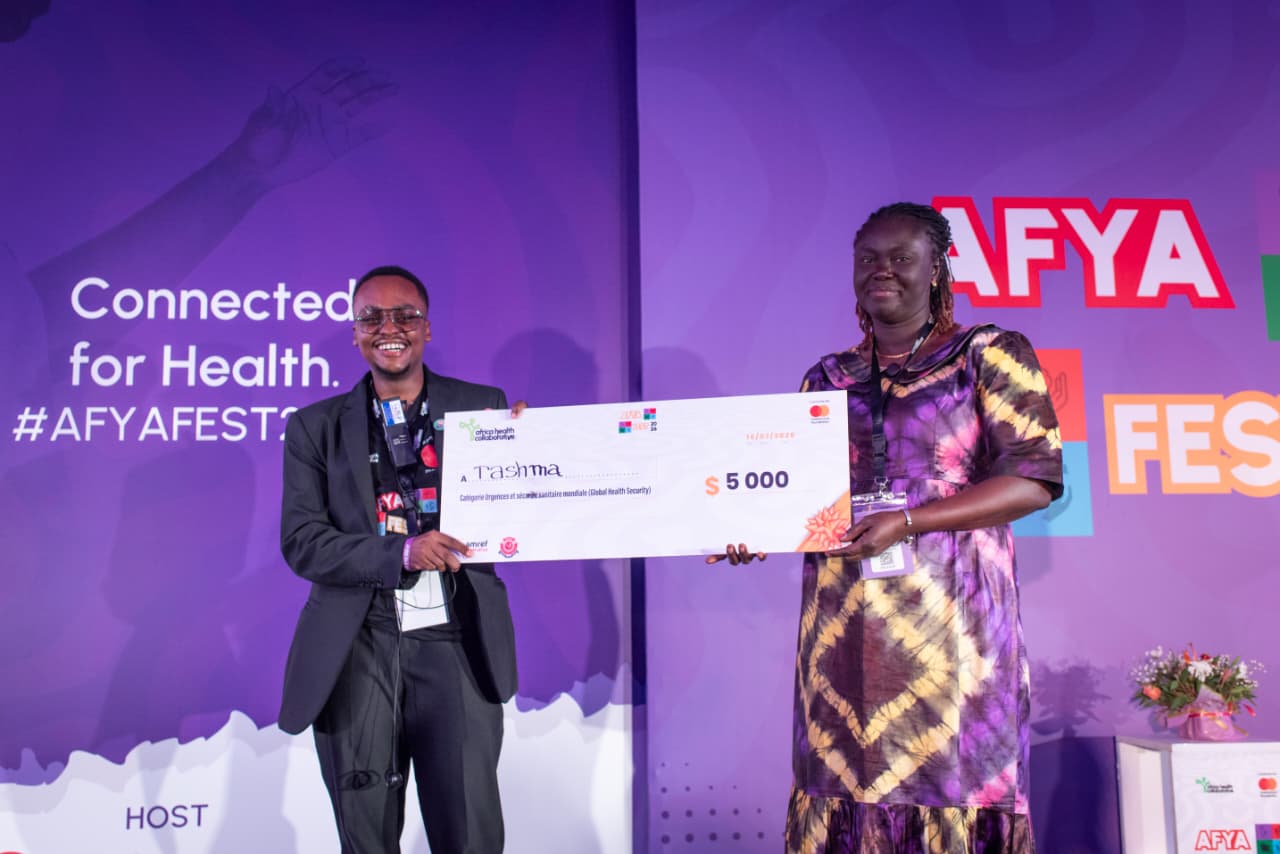

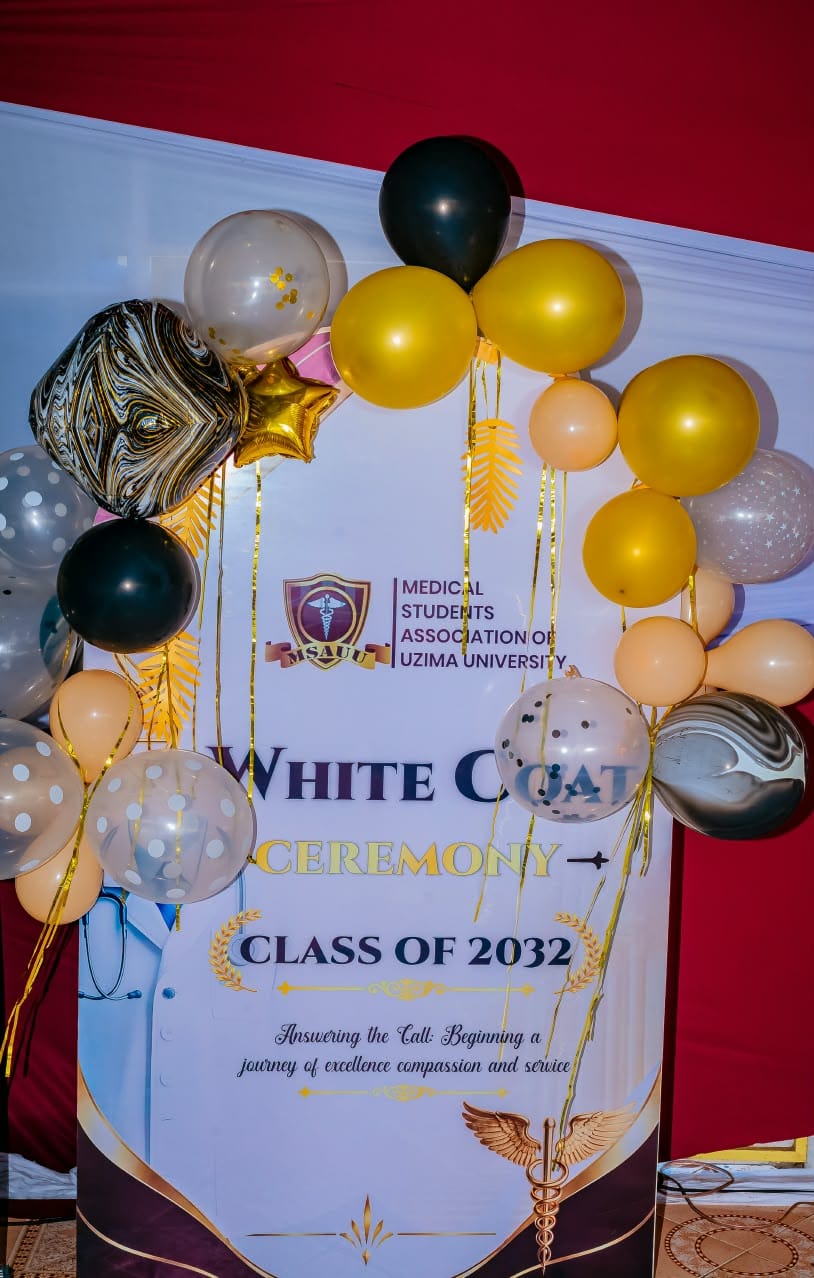
From Transmara to Oxford: A Conversation with Dr. Lemashon
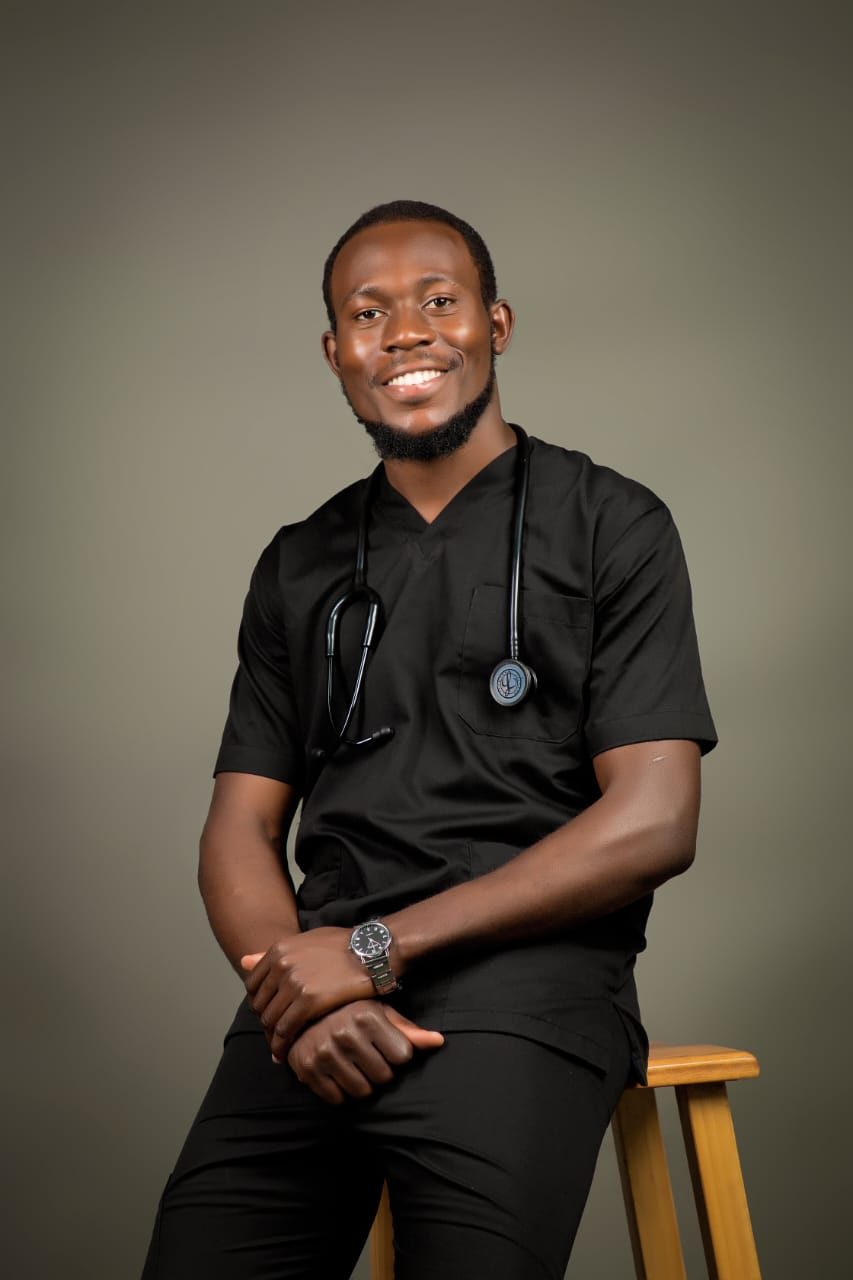
Daktari Diaries Episode 1
Dr. Miheso Collins Lemashon, MBChB Class of 2025, is headed to Oxford this October to begin a PhD in Surgical Sciences after being named a Rhodes Scholar this year. He spoke to mTV about the journey.
Where and when were you born?
I was born in Narok County, specifically Transmara, close to the Maasai Mara. Right around the new millennium.
How was your early life?
Pretty normal, honestly. I grew up in a pastoralist community, but by then it was already shifting away from the nomadic side of things into more settled, township life. I did the same childhood things any other kid would, wherever they’re from.
Where do you fall among your siblings?
Last born of eight. People assume that comes with certain privileges. I wouldn’t say I experienced the typical last-born upbringing. There’s a big age gap between me and my closest sister, so in some ways I grew up more like a firstborn.
How did you perform in primary school?
We did our best. We maintained a top-five, sometimes top-ten position from early on. I scored 383 in KCPE, which I was a bit disappointed by since I was hoping for 400. But it got me into Kanga High School, my second choice.
How was Kanga?
I was ranked 250th out of 292 students admitted, six marks off the bottom. After the first exam, I came out third in the class, which surprised me. I stayed in the top ten all through high school. Nothing special about how I did it, I just read hard because I knew the standard around me was high and I had to keep up.
What did you want to study when you finished high school?
Aeronautical engineering was my first choice. Medicine was never on my list at all.
So how did you end up in medicine?
I scored an A- in KCSE, an 80. Every course was technically open to me, but the specific engineering programme I wanted wasn’t well established here. Around the same time, my family and I sat down to talk about my options. Two of my siblings are nurses, and comparing that path to engineering, healthcare came across as more versatile after graduation. It wasn’t romantic. It was a practical decision, and I revised my application to medicine.
Did you take to it right away?
No. I didn’t like medical school in first year. I was maybe 70 percent in, 30 percent still looking for a way out. I actually applied to transfer to universities in the US through the SAT process, first in first year, then again in second year. Neither worked out. By third year I decided I was already halfway through, so I might as well finish what I’d started.
What did you do differently during medical school to build your profile?
During my long holiday after third year, I did a BSc in Anatomy. I’d actually tried to get into that programme twice before, in first and second year, and missed it both times. The third attempt worked out. I also did a clinical elective exchange in Spain, which is actually where I was when I sat my Rhodes interview.
When did you first hear about the Rhodes Scholarship?
It wasn’t something I was working toward from the start. I came across it through the mentorship and leadership circles I was already part of. Once I understood what it involved, I decided to apply.
What does the application and selection process actually look like?
Kenya is one of about 25 selection regions globally. This year we had around 2,200 applications from Kenya alone, and eight of us were shortlisted as finalists. There’s a pre-selection dinner where you meet the other finalists and the panel, then a formal interview that can run close to an hour. From the eight finalists, the panel picks two scholars. Worldwide, it’s about 100 to 120 scholars selected each year out of roughly 3,300 applications. This year there were 108 of us globally.
How did you prepare for the interview?
I went through my own application repeatedly until I knew every line of it. I did five formal mock interviews with mentors, on top of practising alone. Professors Obimbo and Odula were especially important here, they grilled me the way the actual panel would. I also made a point of staying current on national and world affairs, because the interview isn’t really about facts, it’s about whether you can defend what you believe. At one point a question about SHA and NHIF healthcare financing that was supposed to take two minutes turned into a fifteen-minute conversation.
Winning the scholarship doesn’t automatically get you into Oxford, right?
Right. Once I had the scholarship, I had three weeks to complete a separate Oxford application, new personal and academic statements, a research proposal, fresh recommendation letters. I was doing all of this while still on my elective rotation in Spain. I applied to two courses, as required, one medical and one surgical. I got an offer for the surgical one, which had been my first choice all along.
What exactly is the PhD in Surgical Sciences?
It’s a research degree, not a clinical one. In the UK system, you can go straight from a bachelor’s into a PhD without doing a master’s first. The department has five research areas: colorectal cancer, musculoskeletal conditions, transplant, vascular surgery, and global surgery. It runs three to four years. Eventually I’d like to pivot back into a clinical master’s in general surgery, building on whatever I research during the PhD.
Your internship was also coming up around this time. How did you handle that?
It was a real dilemma, since my internship was scheduled for around the same period. I’ve had to pause it to travel to the UK this October. Not an easy call, but it’s the one I’ve made.
What would you tell a student still figuring out their path?
I didn’t work toward the Rhodes Scholarship directly. It’s the sum of a lot of small decisions made consistently over time. Start building your profile early, from first or second year, don’t wait until your final years. Depth matters more than breadth. It’s better to have gone deep into one or two things than to have joined fifteen clubs and done little in each. Find mentors who’ve already walked the path you’re trying to walk. And don’t let rejection define how you see your own worth.